Your problem, restated
The problem in my words, so we're aligned on exactly what "solved" means before any concept is judged.
Independent mechanical design review · Delivered as a 5-day concept study · For SME engineering teams
I give your team 3–4 alternative solution paths, a tradeoff matrix, and a clear recommendation — before you commit to one direction. An outside perspective that runs in parallel, so your team keeps the main project moving. Especially useful when the team is split between options, a prototype just failed, or one concept is quietly carrying the whole project.
The plain version: you bring me a hard mechanical problem, I bring back three real ways to solve it. That's the work I love — and the reason I do this.
3–4 genuinely different solution paths, compared openly on cost, complexity, manufacturability and risk — before a recommendation is made.
A mechanical decision you're weighing, a design that's fighting you, a prototype that failed. However rough — a clear description is enough to start.
Five focused days. I strip it back to the physics and explore genuinely different routes — including ones your supply chain would never suggest.
3–4 real solution paths, compared honestly, with the one I'd back and why. A decision you can act on — not a pile of homework.
I like hard problems, and I don't trust the obvious answer just because it's the one everyone reaches for.
I became an engineer because I love the moment a problem looks stuck and you realise there's a way through that nobody in the room has seen yet. Finding that way — questioning the assumption everyone treats as fixed, borrowing a trick from a completely different industry — is the part of the work I'd do for free.
VG Engineering is just that instinct, made available to people who have a genuinely hard mechanical problem and want someone outside their own walls to throw real options at it. I'm not here to sell process or hours. I'm here to help you solve something — and, where it helps, to challenge the status quo your project has quietly settled into.
Good engineers work inside the assumptions, suppliers, methods and history their project has accumulated. That's not a flaw — it's what deep familiarity does, and it's how the work gets done. But it also makes the genuinely different alternative, the one from outside that whole frame, the hardest to see from the inside.
It bites hardest at decision points — especially when the team is split between options, a prototype just failed, or one concept is quietly carrying the whole project. The fix isn't more hours from the same vantage point — it's a different one, in parallel.
A single concept-study PDF, delivered as a fixed-scope 5-working-day sprint — built the way a good design review should run:
The problem in my words, so we're aligned on exactly what "solved" means before any concept is judged.
The yardstick every concept is measured against — pinned down and agreed, not assumed.
Distinct routes to the goal, not variations on one idea. Each with a sketch, how it works, why it fits, named tradeoffs — cost, complexity, manufacturability, risk — and its maturity: proven, needs prototyping, or speculative.
All concepts scored side by side in one table, so the decision is visible, not buried in prose.
Which one I'd back, why, and the first concrete step to de-risk it — a decision you can defend upward.
A short call to talk through the study and challenge it. You own the deliverable and the concepts.
A decision you can act on, pitch upstairs, or build from. This is a structured expansion of your design space — concept-level judgement, honestly scoped. It doesn't replace your internal engineering, and it never claims guaranteed manufacturability. If a concept earns it, follow-on development is scoped and quoted separately.
Not sure what the deliverable looks like? Here's a full concept study in the exact format you'd receive — a real problem worked end to end: the brief restated, constraints, four distinct concepts, the tradeoff matrix, and a recommendation.
They carry the full history, constraints and assumptions. I come in without that baggage, generate alternative paths quickly, and your team decides what's actually usable. It complements a good internal team; it doesn't replace it. Three things make it work, whatever the reason a decision has stalled:
No existing design to defend, no habitual supplier — so the alternatives tend to be genuinely different, not variations on the current approach. I've worked across joining tech, automotive, and precision vacuum hardware; most engineers have seen one ecosystem, so the options I bring come from places your team doesn't watch.
Pulling two seniors onto lateral exploration costs you a week on the main deliverable. I run off your critical path, in parallel — your team keeps the main project moving and loses no time.
Tradeoffs made explicit and scored — cost, complexity, manufacturability, risk — so the choice is made against reality instead of argued informally. You get a decision document, not a debate.
"Why wouldn't I just put two of my own engineers on this for a few days?"
Your engineers know this product far better than I will — that's not in question, and it's exactly why this works. They carry the full history and constraints, which is what makes it hard to step outside the paths already explored. I come in without that baggage: alternatives that tend to be genuinely different, explored in parallel so you lose no momentum, and handed back as options scored on cost, complexity, manufacturability and risk.
This doesn't replace your team's depth. It adds the one thing depth crowds out — distance — and hands the decision back to them, faster.
"An outsider can't understand our context in five days."
Correct — and I'm not trying to. I won't know your product the way your team does, and the deliverable isn't a production-ready design. It's a structured expansion of the design space, with every assumption clearly marked, so your team can decide faster. The outside view is the value precisely because it's from outside; your team owns the domain integration.
A diagnostic conversation: I ask about the decision you're weighing, understand the problem, and tell you honestly whether a review would help — or whether it wouldn't. Understanding the problem, not free advice.
A professional 1–2 day diagnostic on one issue — whether you're stuck on a problem or want an outside read on a design you've already drawn. I give you the likely root cause or the main risks, whether a full study is worth doing, what data is missing, and what to resolve first. Credited toward the full study if you proceed. A diagnostic read — it does not include the concepts or a redesign.
The full review, run as a scheduled sprint week: 3–4 genuinely different concepts, the tradeoff matrix, a clear recommendation, and the walkthrough call. One PO, with a 48-hour go/no-go built in. See a full sample study →
If you want to take a concept further — detailed design, prototyping — it's scoped and quoted separately, never bundled into the flat fee.
Each study runs as a scheduled sprint week with a fixed input deadline — the five working days begin once the brief, required inputs and scope are agreed, not on signature. There's a 48-hour go/no-go: if within the first two days I find the problem isn't tractable or I can't add real value, I say so, bill only a nominal assessment fee, and release the rest. One buying decision, protection built in for both sides.
A mutual NDA is available and welcome. Anything you share stays confidential — full stop.
You own the paid concept study and the concepts in it — yours to build, develop, or take elsewhere. (I keep the right to show anonymised work in my portfolio, never your confidential details.)
This is concept-level judgement, not detailed design — and not a guarantee of manufacturability. Every assumption I make is marked, so your team stays in control of what to validate.
I operate as approved secondary employment and do not work in vacuum or semiconductor valve technology. If a request sits too close to that line, I'll say so before we start.
Engineering case studies from my own work — different domains, same method: strip the problem to physics, generate genuinely distinct options, judge them honestly. The flagship below is the one I'd point to first — a flight-control system engineered and validated to a safety factor of 23, with an honest account of why it still didn't fire on the day.
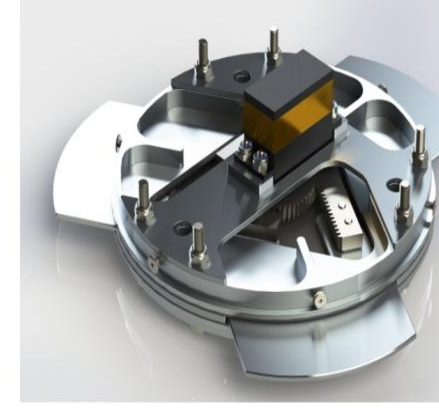
A servo-actuated, three-fin airbrake to stop a supersonic rocket at a 9 km apogee on purpose — validated in ANSYS to a safety factor of 23. On the flight it never deployed, and the honest reason wasn't the mechanism but a process decision. Rigour where it counts, stated plainly.
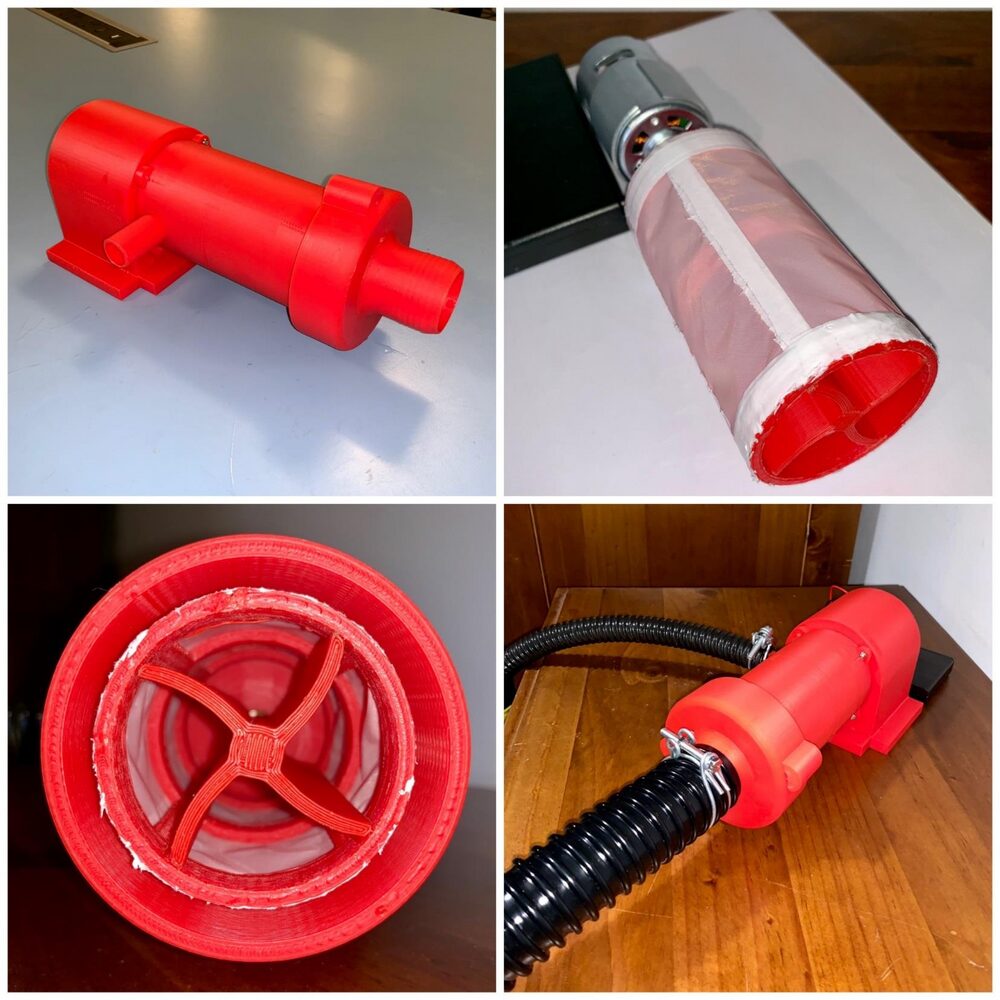
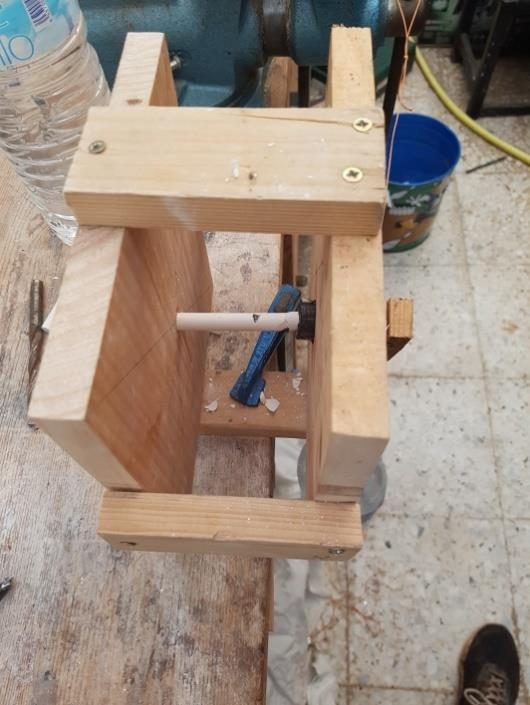
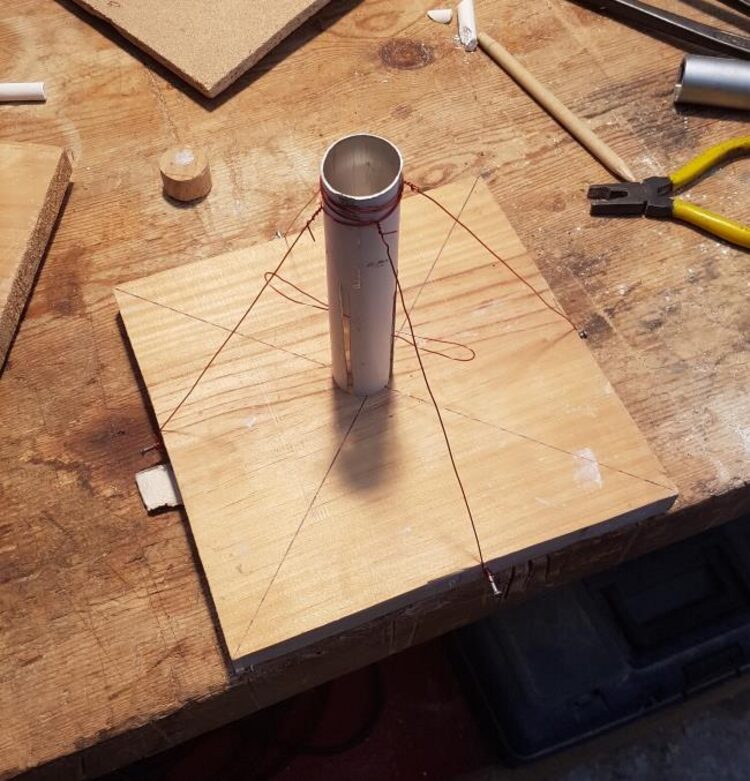
Read the case study (PDF) → Test engineering · First principlesMeasuring the failure stresses of ordinary chalk in bending, traction, shear, torsion and compression — by designing and building five test rigs from workshop scrap. A defensible answer from nothing but improvised tools and clear reasoning.
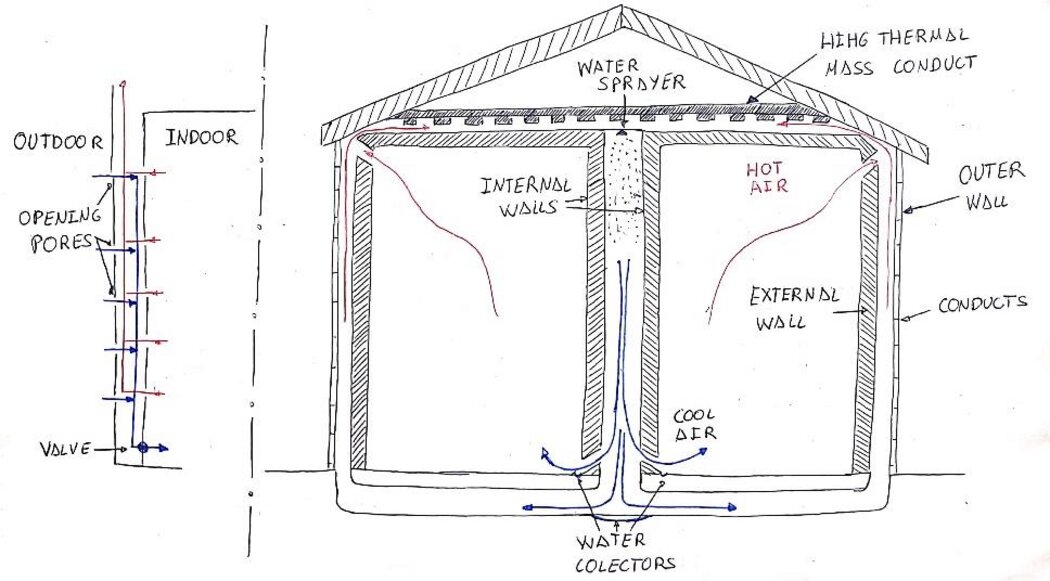
Read the study → Thermal · Cross-domain reframeTranslating the convection principles of termite mounds into a passive cooling architecture for housing — chimney-flute geometry, thermal mass, and stack-effect sizing from first principles.
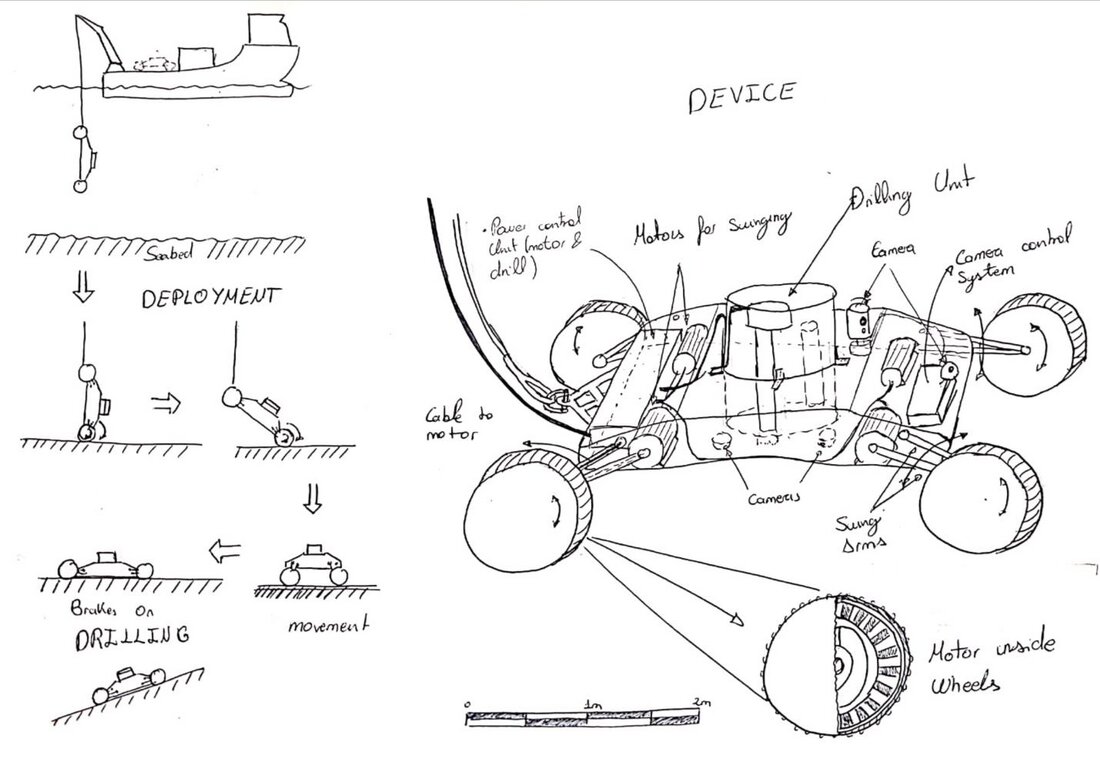
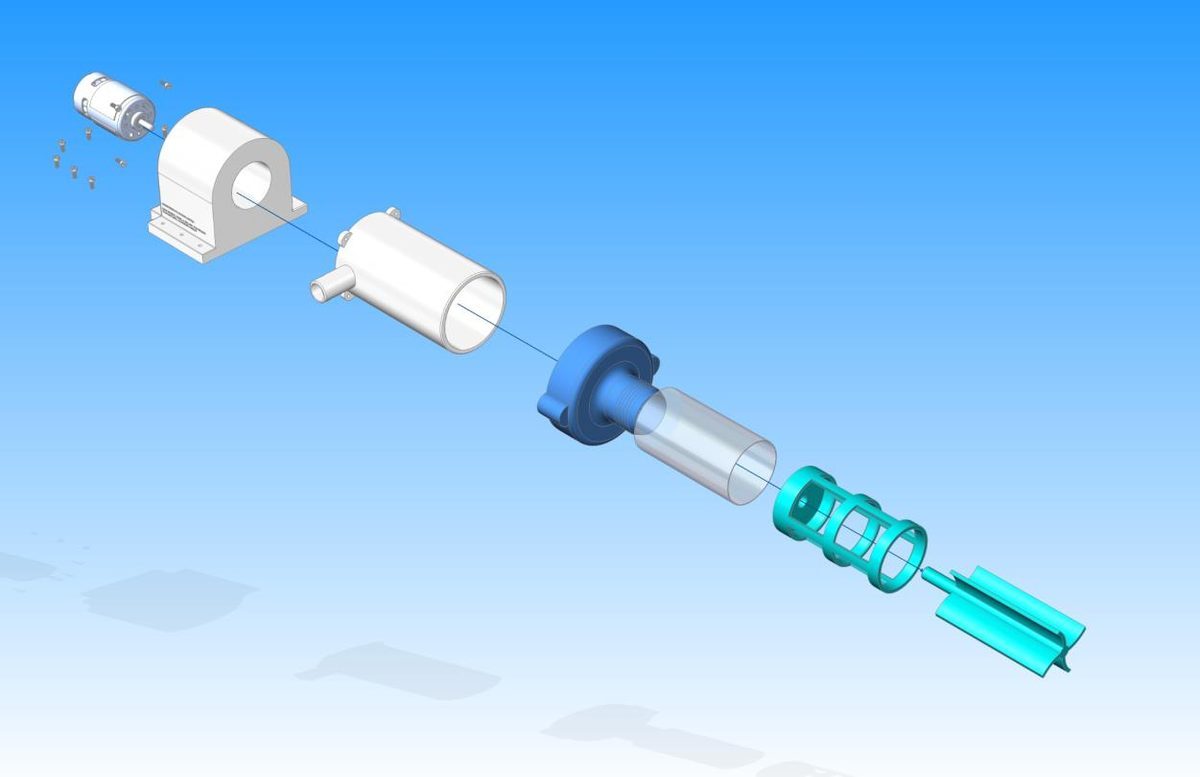
Read the study → Subsea · Concept costed & FMEA'dConcept-to-embodiment design of a tethered 4-wheel-drive seabed drilling vehicle: in-wheel motors, swing-arm suspension, material selection, a bottom-up cost model and a full failure-mode analysis — from scratch.
Read the study →A named client testimonial will live here once the first reviews are in. Until then, the work speaks for the method.
I'm a mechanical engineer based in Buchs, Switzerland, with around six years across three industries — joining technology at Hilti, automotive at BMW MINI, and now precision vacuum hardware at VAT. That spread is the point: most engineers spend a career inside one ecosystem and borrow solutions from within it. I've worked across several, so the angle I bring isn't just "an outsider" — it's an outsider who's seen how the same problem gets solved in industries yours doesn't watch.
What actually drives me is simpler than any of that. I like hard problems, and I like proving the obvious answer wrong. I started VG Engineering because the most satisfying work I've ever done is taking a problem someone thought was stuck and handing back a route they hadn't considered. That's the whole point of this — to help people solve genuinely difficult things, and to challenge the status quo a project has quietly settled into.
By day I design vacuum-valve technology for semiconductor tools — work where a tolerance is a contract and "almost works" doesn't exist. This service runs alongside it, as approved secondary employment, deliberately outside that field.
"Your engineers know the product best — that's exactly why an external review helps. I add the one thing depth crowds out: distance. Genuinely different options, explored in parallel, and the decision handed back to the team that knows the product."
My approach is honesty-led. If I don't think a review will help you, I'll say so on the free call — before you pay, not after.
I'll be honest with you: VG Engineering is new, so I don't have a wall of client quotes yet. I'd rather tell you that plainly than pad this page with anything thin.
What I can offer instead is a straight promise. You'll get my full attention and my honest judgement — including the tradeoffs and the weaknesses, not just the optimistic version. If I don't think a review will bring you genuine value, I'll tell you on the free call, before you pay. And the case studies above are real work: my own thinking, my own sketches, my own failures documented alongside the wins.
The early clients who take a chance on a new service get my best work and my deepest gratitude — and this space is being kept for their words. If you'd like to be one of them, tell me the decision you're weighing.
I'll tell you honestly if I can help. The first step is a free 30-minute fit call — no cost, no obligation, not a sales pitch. If a review makes sense, we scope it from there. If it doesn't, I'll say so.
Prefer email? vgengineerings@hotmail.com · LinkedIn